Best Self-Hosted CMS Platforms in 2026 (Honest Ranking)
An honest ranking of the 10 self-hosted CMS platforms worth running in 2026 — what each is good at, what it's bad at, and which one fits your stack.
Blog
Explore our latest articles, tutorials, and insights.
An honest ranking of the 10 self-hosted CMS platforms worth running in 2026 — what each is good at, what it's bad at, and which one fits your stack.
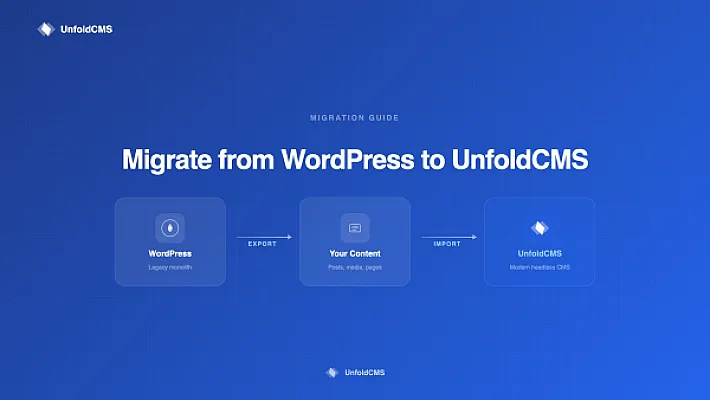
The framework-agnostic playbook for moving off WordPress, Contentful, Sanity, Strapi, or anything else — without losing rankings, breaking links, or torching content history.
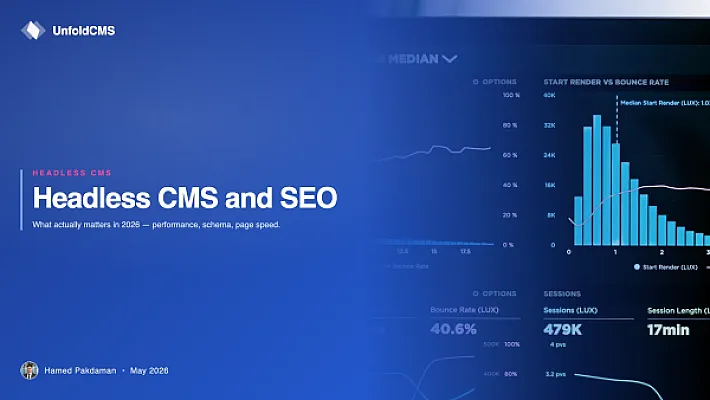
The honest answer to whether headless CMS hurts SEO — what Google actually cares about, the migration mistakes that kill rankings, and the launch checklist.
The real data on WordPress security in 2026 — 250+ plugin vulns per week, supply-chain attacks, what defense actually costs, when to migrate.
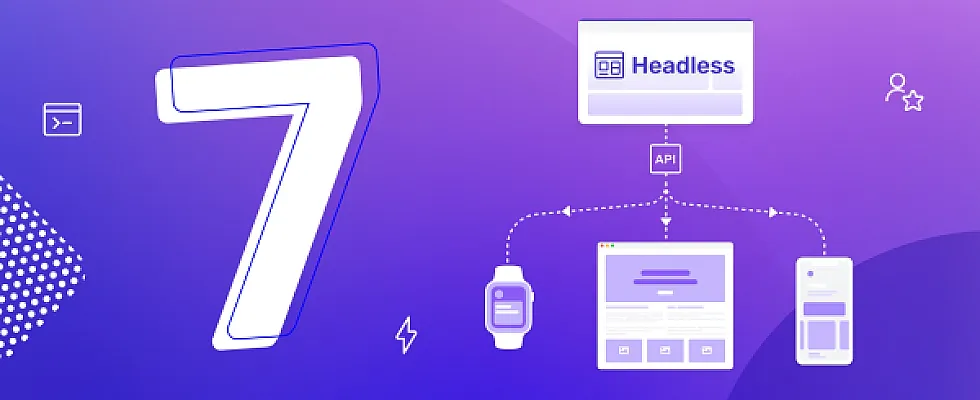
Seven benefits of headless CMS — what's real, what's oversold. Honest framework for deciding if headless fits your project.
Ten honest WordPress alternatives in 2026 — what each one is good and bad at, real pricing, and how to pick based on your actual use case.
Every shadcn/ui component used in Unfold CMS, where it lives, and what we learned building 223 admin pages on top of the full shadcn surface area.
Laravel 12, React 19, Inertia 2, shadcn/ui, and Tailwind v4 — the modern Laravel CMS stack explained, layer by layer.
Most shadcn admin templates leave 80% of the CMS work to you — auth, permissions, media, publishing, SEO. Here's when a shadcn-native CMS makes more sense than a template plus weeks of glue code.
The first production CMS built entirely on shadcn/ui — 50 components, 183 admin pages, Tailwind v4, and three switchable themes. Here's why the shadcn philosophy maps perfectly onto what developers want from a CMS.
The 8 features developers should evaluate before choosing a CMS — from API design to local dev parity, migrations, and extensibility.
The honest tradeoffs between self-hosted and SaaS CMS platforms — data ownership, real costs, vendor lock-in, and a decision framework for teams.